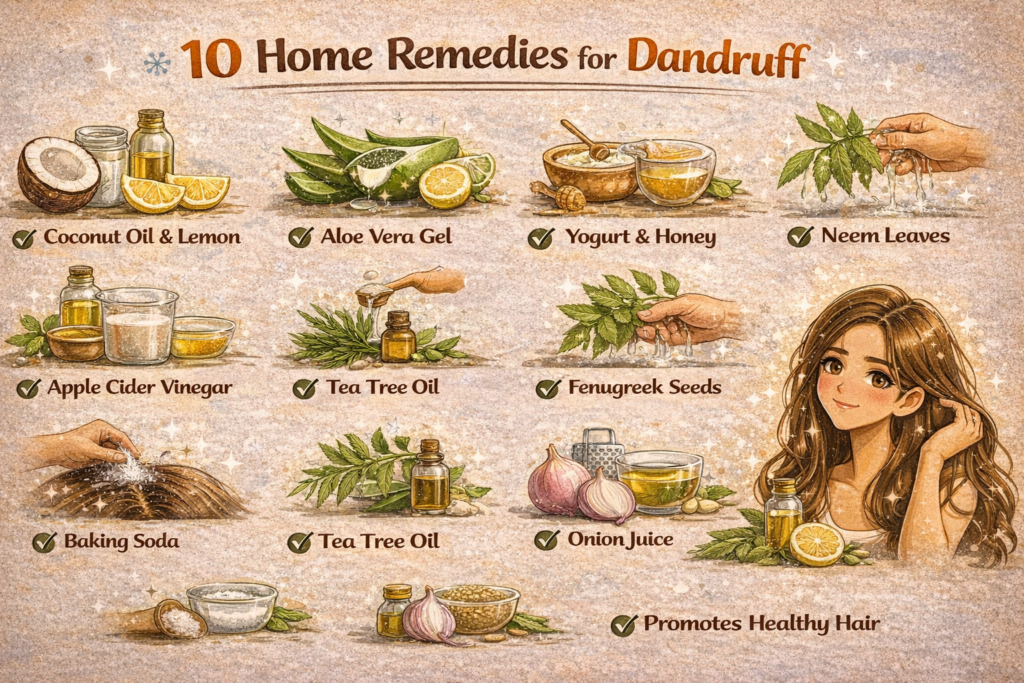
Category: Natural Beauty Tips

  • How to Prevent Hair Fall: Effective Tips, Causes & Natural Remedies

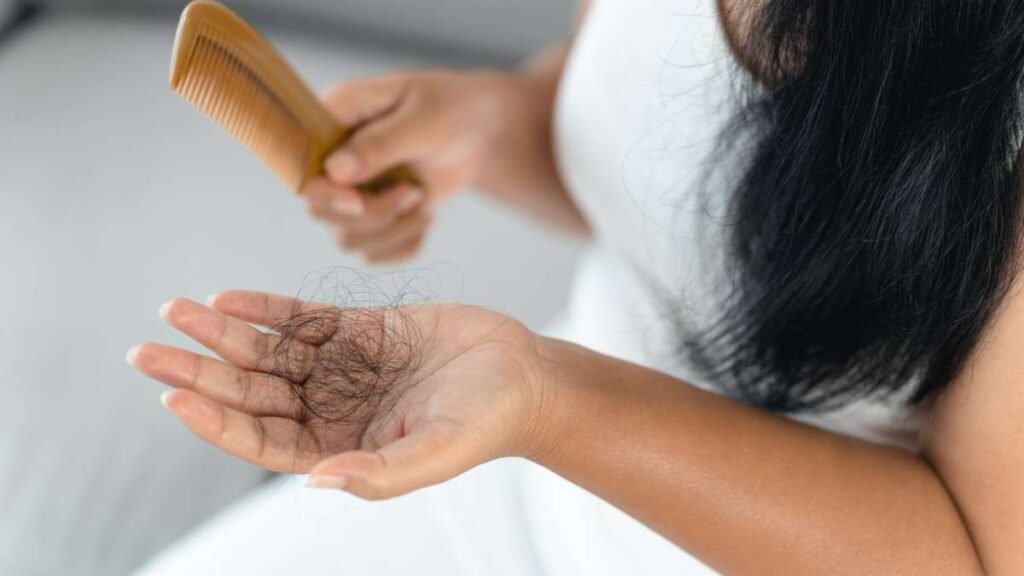
    Hair fall is one of the most common hair problems faced by people today. Seeing hair strands on your pillow, comb, or bathroom floor can be stressful and frustrating. While losing some hair daily is normal, excessive hair fall can affect your confidence and overall appearance.

    If you are wondering how to prevent hair fall, the good news is that there are many natural methods and lifestyle changes that can help control hair loss and promote healthy hair growth. In this guide, we will explore the main causes of hair fall and the best tips to reduce it effectively.


    What Is Hair Fall?

    Hair fall refers to excessive shedding of hair from the scalp. Normally, a person loses 50–100 hair strands daily, which is part of the natural hair growth cycle. However, when the hair loss becomes excessive, it may lead to thinning hair or bald patches.

    Understanding the root cause is the first step in learning how to prevent hair fall effectively.


    Common Causes of Hair Fall

    Hair fall can happen due to several reasons. Identifying the cause helps in choosing the right treatment.

    1. Nutritional Deficiency

    Lack of essential nutrients like iron, protein, zinc, and vitamins can weaken hair follicles and cause hair fall.

    2. Stress

    Physical and emotional stress can disturb the hair growth cycle and trigger excessive hair shedding.

    3. Hormonal Imbalance

    Hormonal changes due to thyroid issues, pregnancy, or PCOS can lead to hair loss.

    4. Poor Hair Care Routine

    Using harsh hair products, excessive heat styling, and tight hairstyles can damage hair roots.

    5. Genetics

    Sometimes hair fall is hereditary and may run in families.

    6. Medical Conditions

    Certain illnesses and medications can also lead to hair loss.

    Once you understand the causes, it becomes easier to learn how to prevent hair fall naturally.


    How to Prevent Hair Fall Naturally
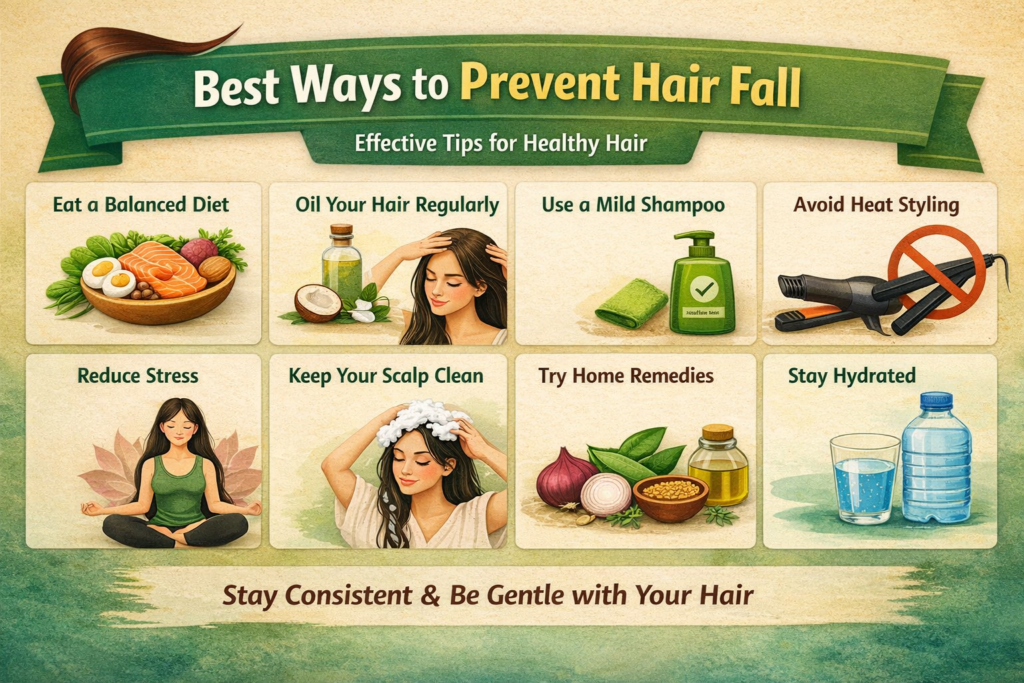
    how to prevent hair fall

    Preventing hair fall requires a combination of good hair care habits, a balanced diet, and proper scalp care. Here are some of the most effective methods.


    1. Maintain a Healthy Diet

    One of the most important ways to prevent hair fall is by improving your diet. Hair follicles need proper nutrition to stay strong.

    Include the following foods in your daily meals:

    • Eggs (rich in protein and biotin)
    • Spinach and leafy vegetables
    • Nuts and seeds
    • Fruits rich in Vitamin C
    • Fish and lean proteins
    • Whole grains

    A balanced diet strengthens hair roots and promotes hair growth.


    2. Oil Your Hair Regularly

    Hair oiling is a traditional and effective method for maintaining healthy hair. It improves blood circulation in the scalp and nourishes hair follicles.

    Best oils for hair fall:

    • Coconut oil
    • Castor oil
    • Almond oil
    • Argan oil
    • Onion oil

    Massage your scalp gently with warm oil 2–3 times a week to reduce hair fall.


    3. Use Mild Shampoo

    Harsh shampoos containing sulfates and chemicals can weaken hair strands. Choose a mild, sulfate-free shampoo that suits your hair type.

    Tips for washing hair:

    • Wash hair 2–3 times a week
    • Avoid hot water
    • Massage scalp gently
    • Do not rub hair aggressively with a towel

    This simple routine can help control hair fall.


    4. Avoid Excessive Heat Styling

    Frequent use of hair tools like straighteners, curling irons, and blow dryers can damage hair and cause breakage.

    To prevent hair fall:

    • Limit heat styling
    • Use heat protectant products
    • Let hair air dry whenever possible

    Healthy hair habits play a big role in preventing hair loss.


    5. Reduce Stress

    Stress is a major factor behind hair fall. Managing stress can significantly improve hair health.

    Some effective stress-relief techniques include:

    • Meditation
    • Yoga
    • Regular exercise
    • Deep breathing
    • Adequate sleep

    A relaxed mind supports healthy hair growth.


    6. Keep Your Scalp Clean

    A healthy scalp is essential for strong hair roots. Dirt, sweat, and oil buildup can clog hair follicles and cause hair fall.

    Maintain scalp hygiene by:

    • Washing hair regularly
    • Using anti-dandruff treatments if needed
    • Avoiding excessive hair products

    Clean scalp conditions promote healthy hair growth.


    7. Stay Hydrated

    Drinking enough water keeps the scalp hydrated and supports overall hair health.

    Try to drink 8–10 glasses of water daily to maintain hydration levels.

    Proper hydration improves hair strength and reduces hair breakage.


    Best Home Remedies to Prevent Hair Fall

    Natural remedies are widely used to treat hair fall because they are safe and effective.


    1. Onion Juice

    Onion juice contains sulfur, which helps improve blood circulation and strengthen hair follicles.

    How to use:

    1. Extract fresh onion juice
    2. Apply it to the scalp
    3. Leave it for 20–30 minutes
    4. Wash with mild shampoo

    Regular use can reduce hair fall and promote hair growth.


    2. Aloe Vera

    Aloe vera soothes the scalp and improves hair health.

    How to use:

    • Apply fresh aloe vera gel to the scalp
    • Leave it for 30 minutes
    • Wash with lukewarm water

    It helps reduce dandruff and hair fall.


    3. Fenugreek Seeds

    Fenugreek seeds contain protein and nicotinic acid that strengthen hair roots.

    How to use:

    1. Soak fenugreek seeds overnight
    2. Grind them into a paste
    3. Apply to the scalp for 30 minutes
    4. Wash with mild shampoo

    This remedy is known for improving hair thickness.


    4. Coconut Milk

    Coconut milk is rich in vitamins and healthy fats that nourish hair.

    How to use:

    • Apply coconut milk to the scalp
    • Leave for 30 minutes
    • Rinse thoroughly

    It helps strengthen hair strands naturally.


    Hair Care Tips to Prevent Hair Fall

    Here are some additional hair care tips to maintain strong and healthy hair.

    • Avoid tight hairstyles like ponytails or buns
    • Use a wide-tooth comb to detangle hair
    • Do not comb wet hair
    • Trim hair regularly to remove split ends
    • Use natural hair masks once a week

    Following these habits consistently can significantly reduce hair fall.


    When Should You See a Doctor?

    Sometimes hair fall may indicate an underlying health condition. You should consult a doctor if:

    • Hair loss is sudden and severe
    • You notice bald patches
    • Hair fall continues despite treatment
    • Scalp irritation or pain occurs

    Early diagnosis can help prevent further hair damage.


    Conclusion

    Hair fall can be distressing, but it is often manageable with the right care and lifestyle changes. Understanding how to prevent hair fall involves maintaining a healthy diet, using natural remedies, reducing stress, and following proper hair care practices.

    Consistency is the key to achieving healthy hair. By adopting these simple tips and remedies, you can strengthen your hair roots, improve scalp health, and reduce hair fall naturally.

    Healthy hair starts with healthy habits.


    FAQs

    1. What is the main reason for hair fall?

    Common reasons include poor nutrition, stress, hormonal imbalance, genetics, and improper hair care.

    2. Can hair fall be stopped naturally?

    Yes, hair fall can often be controlled naturally with a healthy diet, scalp care, and home remedies.

    3. Which oil is best to prevent hair fall?

    Coconut oil, castor oil, and almond oil are considered effective for reducing hair fall.

    4. How often should I wash my hair to prevent hair fall?

    Washing hair 2–3 times a week with a mild shampoo is generally recommended.

    5. Does stress cause hair fall?

    Yes, stress can disturb the hair growth cycle and lead to excessive hair shedding.
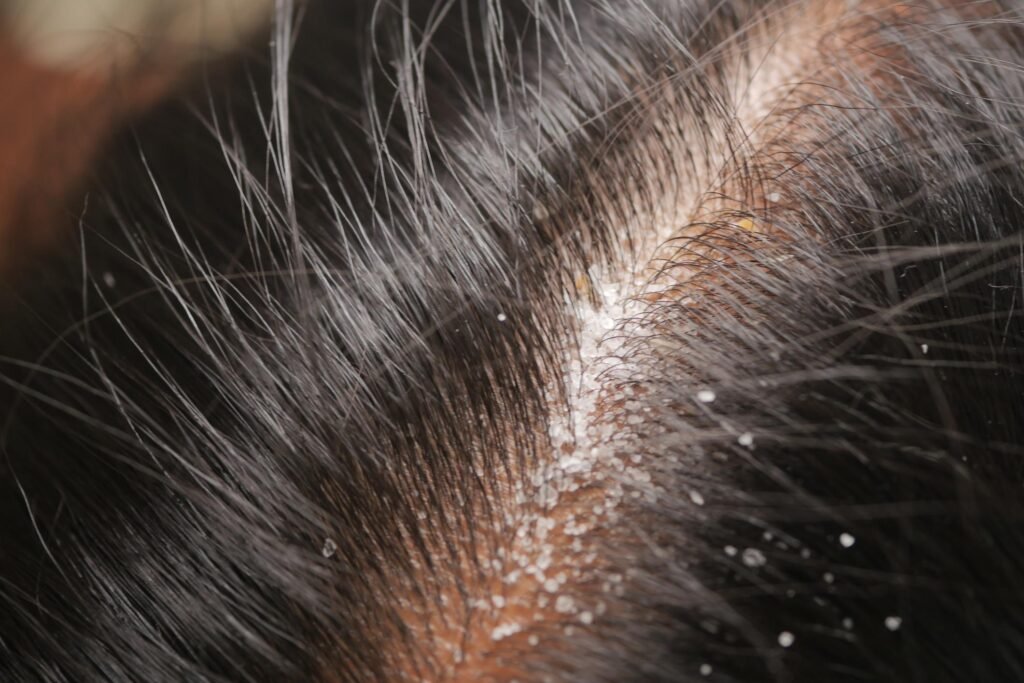
  • Home Remedies for Dandruff: Natural Ways to Get Rid of Flakes

    home remedies for dandruff

    Dandruff is one of the most common hair problems faced by people of all ages. It causes white flakes on the scalp, itching, and irritation, which can be embarrassing and uncomfortable. Many people try expensive hair products and shampoos but still struggle with this issue.

    The good news is that you can treat dandruff using simple home remedies made with natural ingredients available in your kitchen. These remedies are gentle on the scalp, chemical-free, and effective in reducing flakes and itching.

    In this article, we will explore the best home remedies for dandruff, their benefits, and how to use them properly for healthy and flake-free hair.


    What Causes Dandruff?

    Before trying any remedy, it is important to understand what causes dandruff. Some common reasons include:

    • Dry scalp
    • Excess oil production
    • Fungal infection (Malassezia)
    • Poor hair hygiene
    • Stress
    • Using harsh hair products
    • Unhealthy diet

    Identifying the cause can help you choose the right home remedy for dandruff.


    10 Best Home Remedies for Dandruff

    Here are some effective and natural home remedies that can help you control dandruff.


    1. Coconut Oil and Lemon Juice

    Coconut oil nourishes the scalp while lemon helps remove dandruff due to its antibacterial and antifungal properties.

    How to Use

    1. Take 2 tablespoons of coconut oil.
    2. Add 1 tablespoon of fresh lemon juice.
    3. Mix well and massage it into your scalp.
    4. Leave it for 20–30 minutes.
    5. Wash with a mild shampoo.

    Benefits

    • Reduces dandruff flakes
    • Relieves scalp itching
    • Nourishes hair roots

    Use this remedy 2–3 times a week for best results.


    2. Aloe Vera Gel

    Aloe vera is a powerful natural ingredient known for its soothing and moisturizing properties. It helps reduce scalp irritation and dandruff.

    How to Use

    1. Extract fresh aloe vera gel.
    2. Apply it directly to the scalp.
    3. Leave it for 30 minutes.
    4. Wash your hair with a mild shampoo.

    Benefits

    • Reduces itching and inflammation
    • Hydrates the scalp
    • Controls dandruff naturally

    3. Apple Cider Vinegar

    Apple cider vinegar helps restore the scalp’s natural pH balance, making it harder for dandruff-causing fungi to grow.

    How to Use

    1. Mix equal parts apple cider vinegar and water.
    2. Apply the mixture to your scalp after shampooing.
    3. Leave it for 10–15 minutes.
    4. Rinse with water.

    Benefits

    • Removes dead skin cells
    • Balances scalp pH
    • Reduces fungal growth

    4. Yogurt and Honey

    Yogurt contains natural probiotics that help fight dandruff, while honey moisturizes the scalp.

    How to Use

    1. Take ½ cup plain yogurt.
    2. Add 1 tablespoon honey.
    3. Apply the mixture to your scalp and hair.
    4. Leave it for 30 minutes.
    5. Rinse with lukewarm water.

    Benefits

    • Conditions the scalp
    • Reduces dandruff flakes
    • Makes hair soft and shiny

    5. Neem Leaves

    Neem is known for its antifungal and antibacterial properties, making it one of the most effective home remedies for dandruff.

    How to Use

    1. Boil a handful of neem leaves in water.
    2. Let the water cool.
    3. Use it as a final rinse after shampooing.

    Benefits

    • Prevents scalp infections
    • Reduces itching and flakes
    • Promotes healthy scalp

    6. Tea Tree Oil

    Tea tree oil has strong antimicrobial properties that help control dandruff caused by fungal infections.

    How to Use

    1. Add 4–5 drops of tea tree oil to your shampoo.
    2. Massage it into your scalp while washing your hair.
    3. Rinse thoroughly.

    Benefits

    • Fights dandruff-causing fungus
    • Reduces scalp irritation
    • Promotes healthy hair

    7. Baking Soda

    Baking soda acts as a natural exfoliant that removes dead skin cells and excess oil from the scalp.

    How to Use

    1. Wet your hair.
    2. Apply a small amount of baking soda to your scalp.
    3. Gently massage for a few minutes.
    4. Rinse thoroughly.

    Benefits

    • Removes flakes
    • Reduces oiliness
    • Cleanses the scalp

    8. Fenugreek Seeds (Methi)

    Fenugreek seeds are rich in protein and nicotinic acid, which help reduce dandruff and strengthen hair.

    How to Use

    1. Soak 2 tablespoons of fenugreek seeds overnight.
    2. Grind them into a paste.
    3. Apply the paste to your scalp.
    4. Leave it for 30 minutes.
    5. Wash with mild shampoo.

    Benefits

    • Reduces dandruff naturally
    • Strengthens hair roots
    • Improves scalp health

    9. Onion Juice

    Onion juice contains sulfur, which helps improve scalp health and reduce dandruff.

    How to Use

    1. Extract fresh onion juice.
    2. Apply it to your scalp using cotton.
    3. Leave it for 20 minutes.
    4. Wash with shampoo.

    Benefits

    • Improves scalp circulation
    • Reduces dandruff
    • Promotes hair growth

    10. Green Tea

    Green tea contains antioxidants that help reduce dandruff and improve scalp health.

    How to Use

    1. Brew two green tea bags in hot water.
    2. Let it cool.
    3. Use it as a final rinse after shampooing.

    Benefits

    • Soothes the scalp
    • Reduces dandruff flakes
    • Promotes healthy hair

    Tips to Prevent Dandruff Naturally

    Along with these home remedies for dandruff, following some healthy habits can help prevent dandruff from coming back.

    Maintain Good Hair Hygiene

    Wash your hair regularly using a mild shampoo to remove oil and dirt.

    Avoid Excessive Hair Products

    Too many styling products can build up on the scalp and cause dandruff.

    Eat a Healthy Diet

    Include foods rich in zinc, vitamin B, and omega-3 fatty acids for a healthy scalp.

    Reduce Stress

    Stress can trigger dandruff and other scalp issues. Practice meditation or exercise regularly.

    Avoid Hot Water

    Washing hair with very hot water can dry out the scalp and worsen dandruff.


    When to See a Doctor

    Most dandruff cases can be treated using natural remedies. However, you should consult a doctor if:

    • Dandruff does not improve after several weeks
    • The scalp becomes red or swollen
    • There is severe itching or hair loss

    These symptoms may indicate a more serious scalp condition.


    Conclusion

    Dandruff can be frustrating, but the good news is that it can be managed effectively with simple home remedies. Natural ingredients like coconut oil, aloe vera, neem, and fenugreek can help reduce flakes, soothe the scalp, and improve hair health.

    Consistency is key when using home remedies for dandruff. Regular care, proper hair hygiene, and a healthy lifestyle can help you maintain a clean and healthy scalp.

    Instead of relying on harsh chemical products, try these natural remedies and enjoy healthy, dandruff-free hair naturally.


    FAQs

    1. What is the fastest home remedy for dandruff?

    Coconut oil mixed with lemon juice is one of the fastest remedies to reduce dandruff and itching.

    2. Can aloe vera remove dandruff permanently?

    Aloe vera helps control dandruff by soothing the scalp and reducing fungal growth, but regular use is required for lasting results.

    3. How often should I use home remedies for dandruff?

    Most remedies can be used 2–3 times per week depending on your scalp condition.

    4. Does oiling hair help with dandruff?

    Yes, natural oils like coconut oil help moisturize the scalp and reduce dandruff.

    5. Can dandruff cause hair loss?

    Severe dandruff can weaken hair roots and lead to temporary hair fall if not treated properly.